 TLS Online
Performance Meter
0%
QUESTION ID:1
QUESTION ID:2

QUESTION ID:3
QUESTION ID:4
 , then the value of x is:
QUESTION ID:5
QUESTION ID:6
QUESTION ID:7

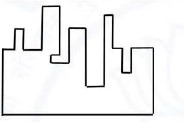
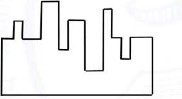
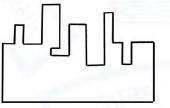
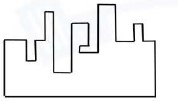
QUESTION ID:8
QUESTION ID:9

QUESTION ID:10
QUESTION ID:11
QUESTION ID:12
The structure of the major product Q of the following reaction is


QUESTION ID:13
QUESTION ID:14
QUESTION ID:15
QUESTION ID:16

QUESTION ID:17
QUESTION ID:18

QUESTION ID:19
The structure of the major products of the following reaction is

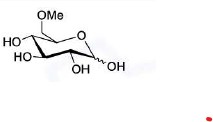
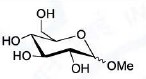
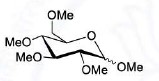
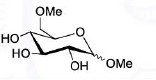
QUESTION ID:20


QUESTION ID:21
QUESTION ID:22
 = 314. 6 kJ mol-1 5.4 kJ mol-1, and
 = 218. o kJ mol-1, the average bond enthalpy of a P-H bond in PH3(g) is kJ mol-1 (rounded off to one decimal place).
QUESTION ID:23
QUESTION ID:24

QUESTION ID:25
QUESTION ID:26
QUESTION ID:27
QUESTION ID:28
QUESTION ID:29
QUESTION ID:30
QUESTION ID:31
QUESTION ID:32
QUESTION ID:33
QUESTION ID:34
QUESTION ID:35
QUESTION ID:36
QUESTION ID:37
QUESTION ID:38
QUESTION ID:39
QUESTION ID:40
QUESTION ID:41
QUESTION ID:42

QUESTION ID:43
QUESTION ID:44

QUESTION ID:45
QUESTION ID:46
QUESTION ID:47
QUESTION ID:48
QUESTION ID:49
QUESTION ID:50
QUESTION ID:51

QUESTION ID:52
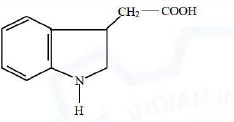
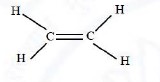
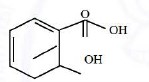
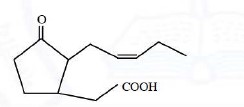
QUESTION ID:53
QUESTION ID:54
QUESTION ID:55
QUESTION ID:56
| GROUP I | GROUP II |
| (P) Pollen tube | (1) 1C |
| (Q) Megaspore mother cell | (2) 2C |
| (R) Synergid | (3) 3C |
| (S) Embryo sac prior to fertilization | (4) 4C |
| (5) 8C |
QUESTION ID:57
| GROUP I | GROUP II |
| P. Tendrils in grape vine | 1. Modified stem |
| Q. Tendrils in garden pea | 2. Modified leaf |
| R. Spines | |
| S. Thorns |
QUESTION ID:58

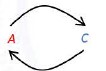
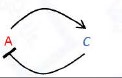
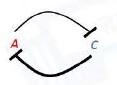
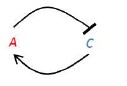
QUESTION ID:59
| GROUP I | GROUP II | GROUP III |
| P. Syzygium aromaticum | i. Vincristine | 1. Toothache relief |
| Q. Gracillaria sp. | ii. Eugenol | 2. Dessert jelly |
| R. Catharanthus roseus | iii. Agar | 3. Leukaemia treatment |
| S. Theobroma cacao | iv. Morphine | 4. Analgesic |
| T. Papaver somniferum | v. Flavonols | 5. Beverage |
QUESTION ID:60
| GROUP I | GROUP II |
| P. Tomato with delayed fruit ripening | 1. EPSP synthase |
| Q. Herbicide-resistant soybean | 2. Δ12-Desaturase |
| R. Insect-resistant cotton | 3. Polygalacturonase |
| S. Soybean with modified oil content | 4. Bt-Cry protein |
QUESTION ID:61
QUESTION ID:62

QUESTION ID:63
QUESTION ID:64
QUESTION ID:65
QUESTION ID:66
QUESTION ID:67
QUESTION ID:68
QUESTION ID:69
QUESTION ID:70
QUESTION ID:71
QUESTION ID:72
QUESTION ID:73
QUESTION ID:74
QUESTION ID:75
QUESTION ID:76
QUESTION ID:77
QUESTION ID:78
QUESTION ID:79
| Immunoglobulin | Function |
| (i) IgE | (p) protects the fetus |
| (ii) IgG | (q) first antibody to be produced in response to infection |
| (iii) IgM | (r) provides localized protection of mucosal surfaces |
| (iv) IgA | (s) mediates allergic reaction |
| (t) directly lyses the target cells |
QUESTION ID:80

QUESTION ID:81


QUESTION ID:82
QUESTION ID:83
QUESTION ID:84
QUESTION ID:85
QUESTION ID:86
QUESTION ID:87
QUESTION ID:88
QUESTION ID:89
QUESTION ID:90
QUESTION ID:91
QUESTION ID:92
QUESTION ID:93
QUESTION ID:94
QUESTION ID:95
QUESTION ID:96
| Column I | Column II |
| P. Zygote | (i) A hollow sphere of cells |
| Q. Morula | (ii) A newly born offspring |
| R. Blastocyst | (iii) A cell that results from fertilization |
| S. Ovum | (iv) An embryo |
| T. Neonate | (v) An unfertilized egg |
| U. Fetus | (vi) A compact mass of cells |
QUESTION ID:97
| Column I | Column II |
| P. Rheumatoid arthritis | (i) Myelin |
| Q. Systemic lupus erythematosus | (ii) Connective tissue |
| R. Myasthenia gravis | (iii) DNA |
| S. Multiple sclerosis | (iv) Acetylcholine receptors |
QUESTION ID:98
| Column I | Column II |
| P. Invagination | (i) Migration of individual cells from the surface into the embryo's interior |
| Q. Involution | (ii) Infolding of a sheet (epithelium) of cells during the formation of endoderm in sea urchin |
| R. Ingression | (iii) Splitting of one cellular sheet into two nearly parallel sheets |
| S. Delamination | (iv) Inward movement of an expanding outer layer of cells so that it spreads over theinternal surface of the remaining external cells |
QUESTION ID:99
| Column I | Column II |
| P. Humulin | (i) Cancer therapy |
| Q. Erythropoietin | (ii) Diabetes |
| R. Plasminogen activator | (iii) Osteoporosis |
| S. Cathepsin K inhibitor | (iv) Anaemia |
| T. Leptin | (v) Myocardial infraction |
| (vi) Obesity |
QUESTION ID:100
| Column I | Column II |
| P. Peroxisome | (i) Conversion of lipid to carbohydrate |
| Q. Endoplasmic reticulum | (ii) Oxidation of fatty acids |
| R. Glyoxysome | (iii) N-linked glycosylation |
| S. Golgi complex | (iv) Microtubule organization center |
| T. Centrioles | (v) O-linked glycosylation |
QUESTION ID:101
QUESTION ID:102
QUESTION ID:103
QUESTION ID:104
QUESTION ID:105
QUESTION ID:106
QUESTION ID:107
QUESTION ID:108
QUESTION ID:109
QUESTION ID:110
QUESTION ID:111
QUESTION ID:112
QUESTION ID:113
QUESTION ID:114
QUESTION ID:115
QUESTION ID:116
QUESTION ID:117
QUESTION ID:118
| Column I | Column II |
| P. Hydrogenation | 1. Removal of soft wax |
| Q. Blanching | 2. Shortening of fat |
| R. Leaching | 3. Inactivation of enzyme |
| S. Winterization | 4. Separation of dye |
QUESTION ID:119
QUESTION ID:120
QUESTION ID:121
QUESTION ID:122
QUESTION ID:123
QUESTION ID:124
QUESTION ID:125