 TLS Online
Performance Meter
0%
QUESTION ID:1
QUESTION ID:2
 ?
?QUESTION ID:3
QUESTION ID:4
QUESTION ID:5

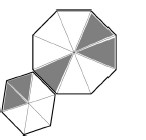
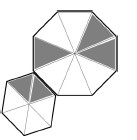
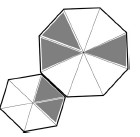
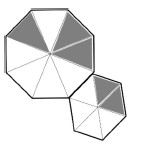
QUESTION ID:6
QUESTION ID:7
QUESTION ID:8
QUESTION ID:9
QUESTION ID:10

QUESTION ID:11
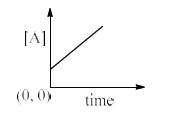
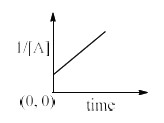
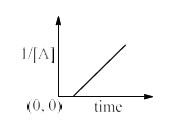
 The concentration of A is represented as [A].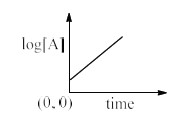
QUESTION ID:12
QUESTION ID:13
QUESTION ID:14
QUESTION ID:15
QUESTION ID:16
QUESTION ID:17

QUESTION ID:18

QUESTION ID:19
QUESTION ID:20
QUESTION ID:21

QUESTION ID:22

QUESTION ID:23

QUESTION ID:24
QUESTION ID:25
The total number of 3-centre-2-electron bonds in B4H10 is ______ (in integer).
QUESTION ID:26
QUESTION ID:27
QUESTION ID:28
QUESTION ID:29
QUESTION ID:30
QUESTION ID:31
QUESTION ID:32
QUESTION ID:33
QUESTION ID:34
QUESTION ID:35
QUESTION ID:36

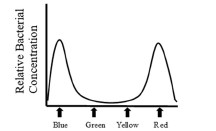
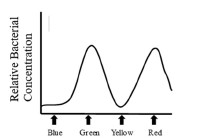
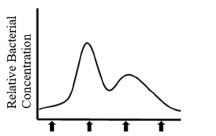
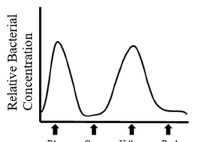
QUESTION ID:37
QUESTION ID:38
QUESTION ID:39
QUESTION ID:40
QUESTION ID:41
QUESTION ID:42
QUESTION ID:43

QUESTION ID:44
QUESTION ID:45
QUESTION ID:46
QUESTION ID:47
QUESTION ID:48
QUESTION ID:49
| Group-I | Group-II |
| P. vir A | I. Single strand T-DNA binding protein |
| Q. vir B | II. Topoisomerase |
| R. vir E | III. Membrane protein, channel for T-DNA |
| S. vir D | IV. Sensor protein, constitutive expression |
QUESTION ID:50
QUESTION ID:51
QUESTION ID:52
QUESTION ID:53
QUESTION ID:54
QUESTION ID:55
QUESTION ID:56
| Group-I | Group-II |
| P. Myrcene | I. Sesquiterpene |
| Q. β-Farnesene | II. Cyanogenic glycoside |
| R. Amygdalin | III. Flavone |
| S. Nicotine | IV. Alkaloid |
| T. Luteolin | V. Monoterpene |
QUESTION ID:57
| Group-I | Group-II | Group-III |
| P. PEP Carboxylase | I. 2 Glycolate + 2 O2 = 2 Glyoxylate + 2 H2O2 | a. Cytosol – C4 cycle |
| Q. Rubisco | II. Pyruvate + NAD+ + CoA = Acetyl - CoA + CO2 + NADH | b. Peroxisome – C2 cycle |
| R. Glycolate oxidase | III. Phosphoenolpyruvate + HCO3− = Oxaloacetate + Pi | c. Mitochondria – aerobic respiration |
| S. Pyruvate dehydrogenase | IV. 3 (Ribulose 1,5 - bisphosphate) + 3 CO2 + 3 H2O = 6 (3-phosphoglycerate) + 6 H+ | d. Chloroplast – C3 cycle |
QUESTION ID:58
| Group-I | Group-II |
| P. Kanamycin | I. pmi |
| Q. Hygromycin | II. bar |
| R. Phosphinothricin | III. nptII |
| S. Mannose | IV. ptxD |
| V. dhfr | |
| VI. hpt |
QUESTION ID:59
| Group-I | Group-II | Group-III | |||
| P. | Reserpine | I. | Stilbenes | a. | Manihot esculanta |
| Q. | Resveratrol | II. | Cyanogenic glycoside | b. | Crocus sativus |
| R. | Picrocrocin | III. | Alkaloid | c. | Vitis vinifera |
| S. | Linamarin | IV. | Monoterpene glycoside | d. | Rauwolfia serpentina |
QUESTION ID:60
| Group-I | Group-II | Group-III |
| P. Karnal Bunt | I. Phytophthora infestans | a. Rice |
| Q. Ergot | II. Blumeria graminis | b. Potato |
| R. Late blight | III. Neovossia indica | c. Rye |
| S. Powdery mildew | IV. Puccinia recondita | d. Wheat |
| V. Claviceps purpurea | e. Barley | |
| VI. Alternaria solani | f. Brinjal |
QUESTION ID:61
| Group-I | Group-II |
| P. Neutralism | I.neit |
| Q. Allelopathy | II. direct inhibition of one species by the other species using toxic compound |
| R. Amensalism | III. neither is affected by the association with the other |
| S. Mutualism | IV. one is inhibited and the other is not affected |
QUESTION ID:62
QUESTION ID:63
QUESTION ID:64
QUESTION ID:65
QUESTION ID:66
QUESTION ID:67
QUESTION ID:68
QUESTION ID:69
QUESTION ID:70
QUESTION ID:71
QUESTION ID:72
QUESTION ID:73
QUESTION ID:74
QUESTION ID:75
| Structural component | Function |
| (P) Flagella | (i) prevent cell lysis |
| (Q) Cell wall | (ii) chemotaxis |
| (R) Metachromatic granules | (iii) storage for ATP |
| (S) Magnetosomes | (iv) cell orientation |
QUESTION ID:76
| Pathogen | Disease |
| (P) Streptococcus pyogenes | (i) Scarlet fever |
| (Q) Brucella species | (ii) Pott’s disease |
| (R) Mycobacterium tuberculosis | (iii) Traveler’s diarrhea |
| (S) Escherichia coli | (iv) Undulant fever |
QUESTION ID:77

QUESTION ID:78

QUESTION ID:79
QUESTION ID:80
QUESTION ID:81
QUESTION ID:82

QUESTION ID:83
QUESTION ID:84
QUESTION ID:85
QUESTION ID:86
QUESTION ID:87
QUESTION ID:88
QUESTION ID:89
QUESTION ID:90
QUESTION ID:91
QUESTION ID:92
QUESTION ID:93
| Column I | Column II |
| P. Veratrum alkaloids | (i) Obesity |
| Q. Thalidomide | (ii) Minamata syndrome |
| R. Methylmercury | (iii) Cyclopia |
| S. Diethylstilbestrol | (iv) Phocomelia |
QUESTION ID:94
| Column I | Column II |
| P. Ascaris lumbricoides | (i) Subcutaneous tissue in human |
| Q. Dracunculus medinensis | (ii) Lymphatic vessels and lymph nodes |
| R. Enterobius vermicularis | (iii) Small intestine |
| S. Wuchereria bancrofti | (iv) Caecum or vermiform appendix |
QUESTION ID:95
| Column I | Column II | Column III |
| P. Microglial cells | (i) Lung | a. Visual transduction |
| Q. Leydig cells | (ii) Eyes | b. Hormone secretion |
| R. ON cells | (iii) Brain | c. Phagocytosis |
| S. Pneumocytes | (iv) Testis | d. Gaseous exchange |
QUESTION ID:96
| Column I | Column II |
| P. Dominance hierarchies | (iv) Preferential access to the food and mates in a group |
| Q. Territory | (iii) Exclusion of competing individuals using agonistic behavior |
| R. Altruism | (i) Giving up one’s own reproductive potential to benefit another individual |
| S. Kin selection | (ii) Selection acting on related animals which affects fitness of an individual |
QUESTION ID:97
| Column I | Column II | Column III |
| P. Epinephrine | (i) Hypothalamus | a. Pituitary |
| Q. Prolactin | (ii) Thyroid | b. Heart |
| R. Calcitonin | (iii) Pituitary | c. Bone |
| S. Thyrotropin releasing hormone | (iv) Chromaffin tissue | d. Pigeon’s crop |
QUESTION ID:98
QUESTION ID:99
QUESTION ID:100
| Column I | Column II | Column III | |||
| P. | Torpor | (i) | Australian burrowing frogs | a. | Prolonged period of inactivity without reducing body temperature |
| Q. | Hibernation | (ii) | Polar Bears | b. | Inactivity period which accompanies extended periods of dryness |
| R. | Winter sleep | (iii) | Ground Squirrels | c. | Decreased metabolism with lowered body temperature occurring in daily activity cycles |
| S. | Aestivation | (iv) | Hummingbirds | d. | Decreased metabolism and lower body temperature for weeks or months |
QUESTION ID:101
QUESTION ID:102
QUESTION ID:103
QUESTION ID:104

QUESTION ID:105
QUESTION ID:106
QUESTION ID:107
QUESTION ID:108
QUESTION ID:109
QUESTION ID:110
QUESTION ID:111
QUESTION ID:112
| Column I | Column II |
| P. Degumming | 1. Separation of waxes |
| Q. Neutralization | 2. Removal of pigments |
| R. Bleaching | 3. Removal of phosphatides |
| S. Winterization | 4. Removal of free fatty acids |
QUESTION ID:113

QUESTION ID:114
QUESTION ID:115
| Column I | Column II |
| P. Hammer mill | 1. Compression |
| Q. Burr mill | 2. Impact |
| R. Crushing rolls | 3. Cutting |
| S. Rotary knife | 4. Attrition |
QUESTION ID:116
QUESTION ID:117
 poly unsaturated essential fatty acids?
QUESTION ID:118
QUESTION ID:119
QUESTION ID:120

QUESTION ID:121
QUESTION ID:122